 86 18602727984


IMAGE INTENSIFIERS
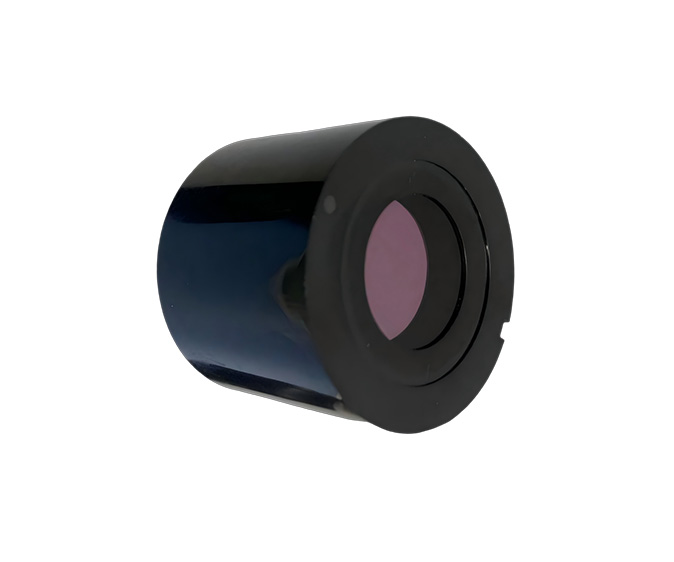
PRODUCT DESCRIPTION
The Super Gen 2 Image Intensifier Tube uses a dual close-focusing electron-optical system and S25+ photocathode with extended infrared response. Designed for low-light imaging applications, it combines high sensitivity, high resolution and brightness gain with a compact, lightweight and low-power structure. The series offers FOM levels from 1400 to 1800, up to 64 lp/mm resolution, and gated or non-gated power supply options.
MAIN FEATURES
The Super Gen 2 Image Intensifier Tube enhances low-light images through an S25+ photocathode and dual close-focusing electron-optical architecture, providing extended infrared response and improved image detail in dark environments. It supports FOM levels from 1400 to 1800, resolution up to 64 lp/mm and SNR up to 28, while maintaining compact size, low weight and low power consumption. The series offers 380–900 nm spectral response, gated and non-gated power configurations, customizable phosphor and output-window options, making it suitable for integration into a wide range of night vision imaging systems.
PRODUCT PARAMETERS
Model
ATOM-G2P-E245GA
FOM
≥1800
Photocathode
S25+
Sensitivity
≥1000 μA/lm
Resolution
≥64 lp/mm
Signal-to-Noise Ratio
≥28
Spectral Response
380–900 nm
Brightness Gain
10000–12000 cd/m²/lx
Operating Voltage
2.2–3.4 V
Power Supply
Gated
Weight
≤85 g
Power Consumption
≤75 mW
Reliability
≥10,000 h

DETAILS INTRODUCTION
The tube types below are available in green or white phosphor and thin or un-filmed. Each tube is rated by FOM or Figure of Merit. This number is calculated by multiplying the Signal to Noise ratio by the resolution of an image intensifier. The FOM number allows a quick estimate of the general performance level of that tube. Every order will come with a spec sheet that states that tube’s characteristics and its compliance with advertised specs. If you are interested, Please contact us WhatsApp or our official email address.
Super Gen II Image Intensifiers Specifications
Technical parameters :
ATOM-G2P-E245GC ATOM-G2P-E245GC ATOM-G2P-E245GC
Quality Factor (FOM) 1400 1600 1800
Sensitivity (μA/lm @2856K)(Minimum) 700 800 1000
Radiative Sensitivity( mA/W @800nm)(Minimum) 55 65 85
Radiant sensitivity (mA/W @850nm) (Minimum) 35 50 75
Resolution (lp/mm) (Minimum) 60 64 64
High-light resolution (lp/mm @200lx) (Minimum) 36 36 36
Signal-to-noise ratio (Minimum) 22 25 28
Operating Voltage(V) 2.2~3.4 2.2~3.4 2.2~3.4
Operating Current (mA)(Maximum) 25 35 35
Brightness Uniformity (2856K) (Maximum) 3:1 3:1 3:1
Cathode effective diameter (mm) (Minimum) 17.5 17.5 17.5
Spectral response range (nm) 380~900 380~900 380~900
Power Supply non-Gated Gated Gated
Weight(g)(Maximum) 85 85 85
Power consumption (mW) (Maximum) 75 75 75
Reliability (h) (Minimum) 10000 10000 10000
Working illuminance range (lx) 1× 10⁻⁵ ~ 3× 10⁴ 1× 10⁻⁵ ~ 3× 10⁴ 1× 10⁻⁵ ~ 3× 10⁴
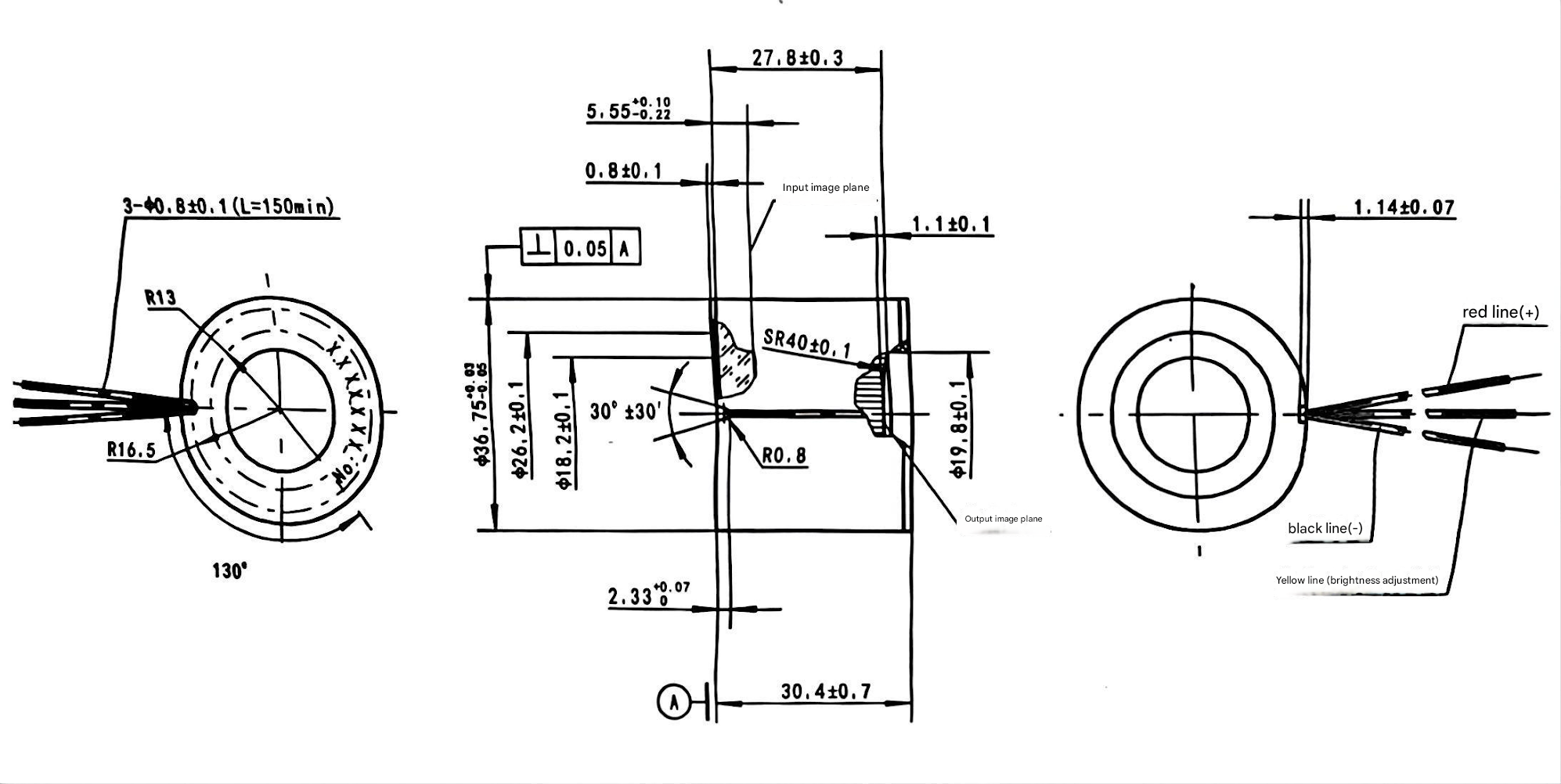
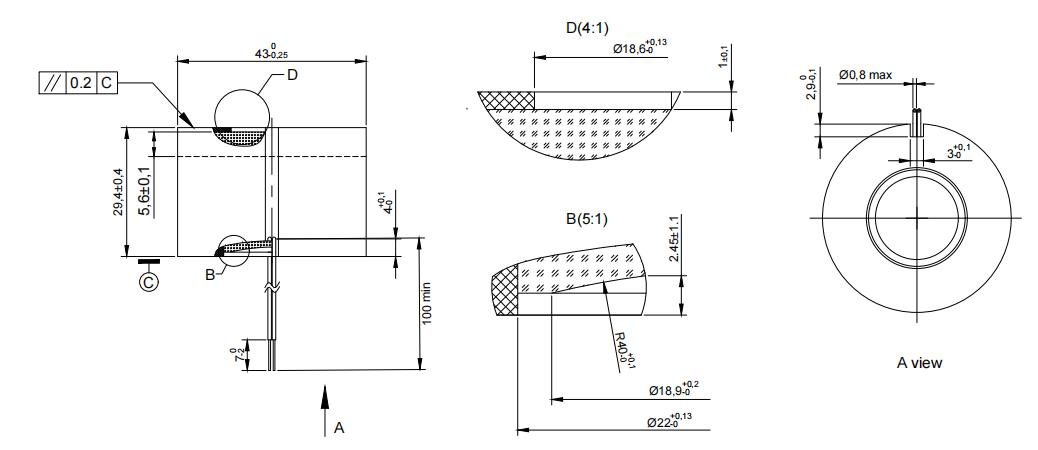
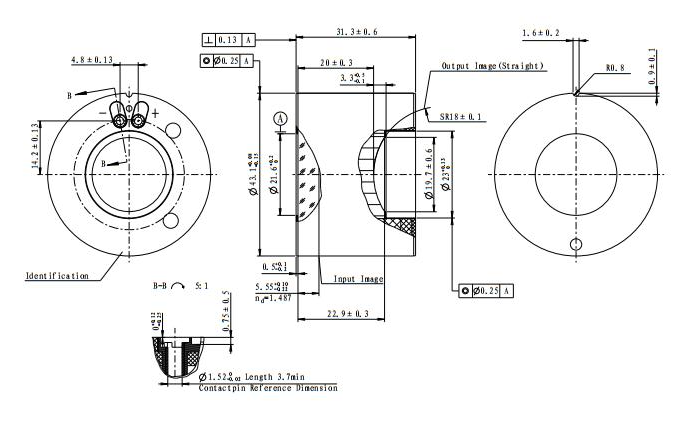
Structural dimensions:
Typical applications:
_20250825150244A195.png)
IMAGE INTENSIFERS
Gen I
Gen I: Developed in the 1960s, it uses a three-stage cascaded fiber optic coupling structure. It is large and heavy, lacks a microchannel plate (MCP), has image distortion of 15%-25%, is sensitive to strong light, easily damaged, and has poor resistance to strong light. It utilizes basic principles to amplify existing light thousands of times, allowing you to see objects clearly in the dark. Typical performance of Gen I image intensifiers: brightness gain 2×10⁴-3×10⁴ cd/m²·lx⁻¹, resolution 35 lp/mm.
Gen II
Gen II: Gen II image intensifiers utilize both electrostatic focusing and proximity focusing structures. Image distortion is reduced to 2%-3%, brightness gain is approximately 5×10⁴ cd/m²·lx⁻¹ (18/18 tube type), and resolution is 30 lp/mm. Developed in the 1970s, Gen II offered a substantial increase in performance over Gen I systems. This performance enhancement was obtained by the addition of a micro-channel plate, commonly referred to as an MCP. The MCP works as an electron amplifier and is placed directly behind the photocathode. The MCP consists of millions of short parallel glass tubes. When the electrons pass through these short tubes, thousands more electrons are released. Gen II lifespan 2000 to 4000 hours.
Gen III
Gen III: Developed in the 1980s, it uses gallium arsenide (GaAs) photocathodes and anti-ion feedback film technology, increasing sensitivity by 4-8 times compared to Gen II image intensifiers (up to 1400 μA/lm), extending lifespan by 3 times, and achieving a resolution of 50 lp/mm. The manufacturing process is complex and costly, but the performance is significantly improved. This makes Gen III image intensifiers the highest-performing image intensifiers currently available. Gen III image intensifier systems have a lifespan exceeding 12,000 hours. The US military equipped this generation of products during the Gulf War, with more noticeable results.
Gen IV
Gen IV: Gen IV image intensifiers utilize the latest technology with film-less MCP and automatic pulsed gating power supply, significantly improving signal-to-noise ratio and resolution, resulting in clearer imaging and operation in a wider range of lighting conditions, but the technology is not yet fully widespread. Some companies are still attempting to use the "fourth generation" designation as a marketing tactic, selling products that are identical to Gen III image intensifiers offered by other manufacturers at significantly lower prices.
_20250825145451A168.jpg)